Plant And Flower Thieves Get Shamed By "Punny" Wall Of Shame Poster Complete With Their Photos And Garden-Related Pun Nicknames
In a quiet neighborhood where a mother’s love for her garden blooms as brightly as the flowers themselves, a shadow lurks—thieves who sneak under the cover of night, stealing not just plants but fragments of her heart.
Each stolen bloom is a silent wound, a cruel reminder that beauty and kindness can be preyed upon. But where there is hurt, there is also humor and resilience.
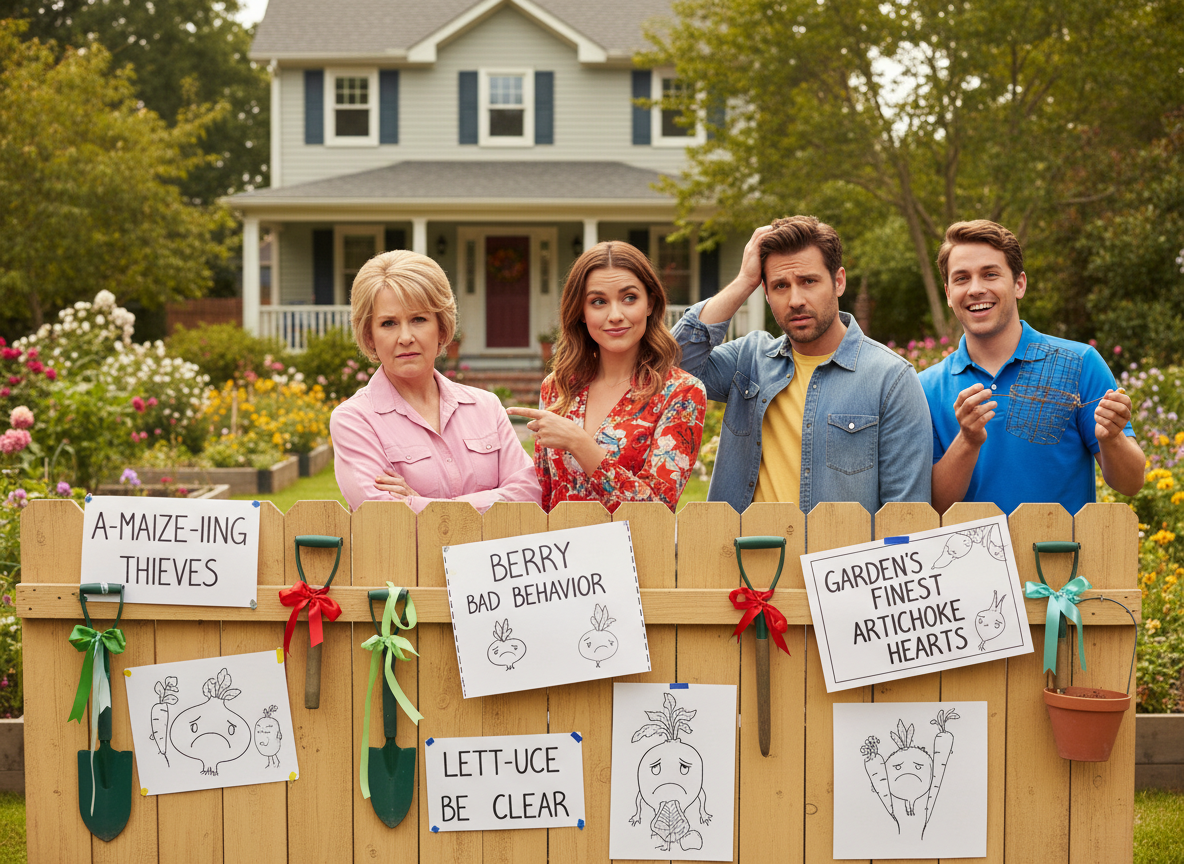
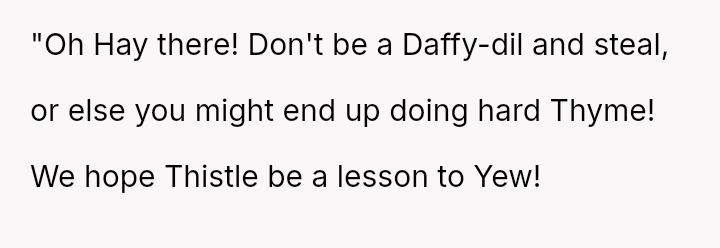
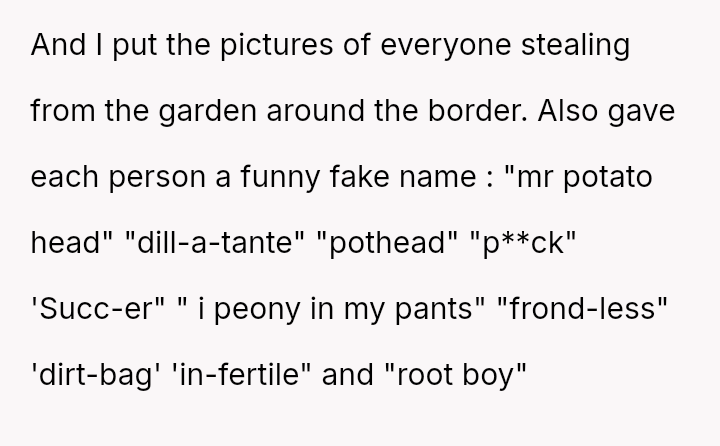
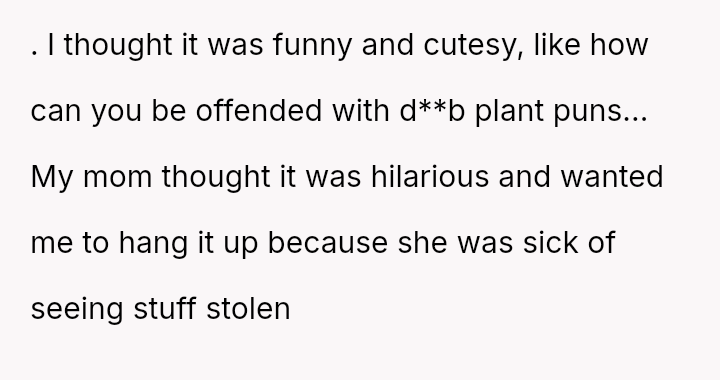
A son, armed with a dash cam and a sharp wit, turns the pain into a playful stand, crafting a poster that both shames and entertains.
With clever puns and cheeky nicknames, he transforms the thieves’ faces into a garden of justice—a lighthearted yet powerful message that even in loss, love and laughter can grow.
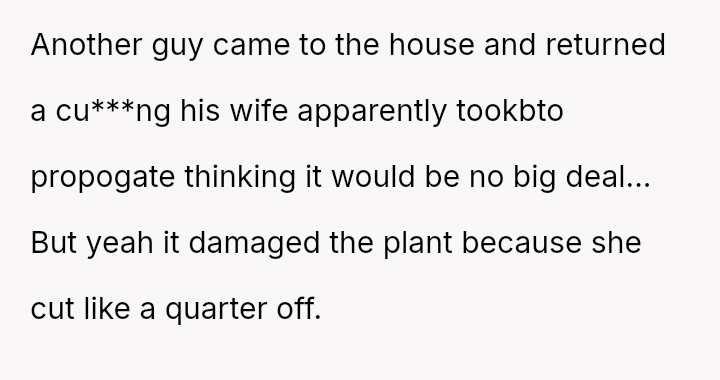
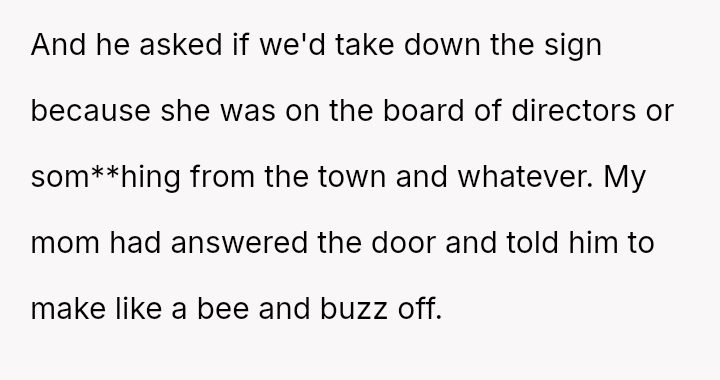
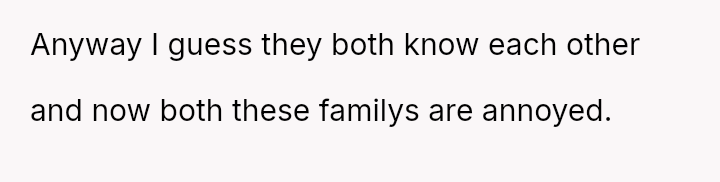
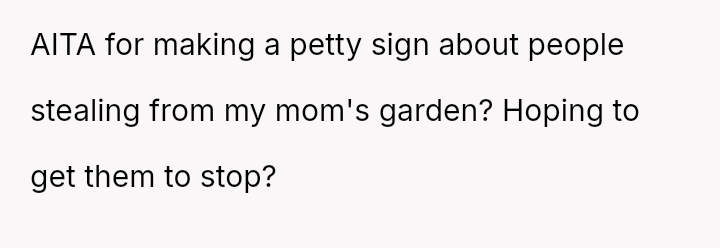
Subscribe to our Newsletter
Get the latest stories delivered to your inbox.
The original poster (OP) acted out of frustration and a desire to protect their mother's garden by creating a public shaming poster featuring photos and humorous, pun-laden accusations against known plant thieves.
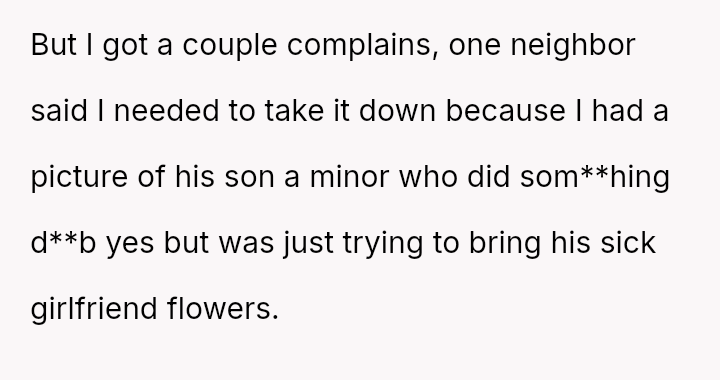
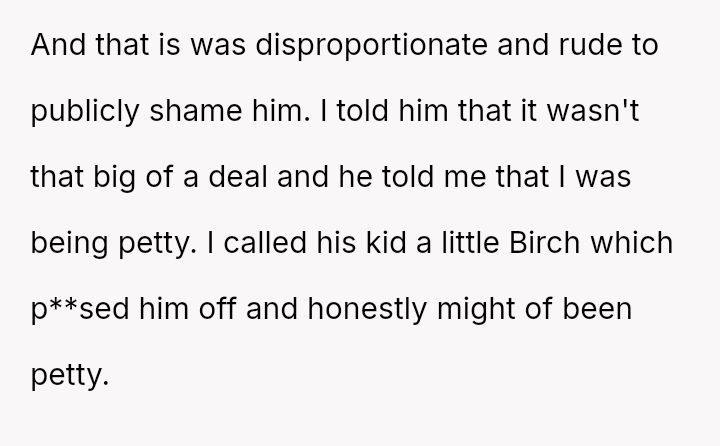
This action, while intended to stop theft, created significant conflict with neighbors who felt the shaming was disproportionate, especially concerning a minor, and intrusive.
Was creating a highly visible, pun-filled poster naming and shaming individuals for petty theft of garden items a justifiable defense of property, or did it cross the line into inappropriate public h***ssment and escalation?
Should the OP prioritize the neighbors' feelings and the minor's privacy over effectively deterring future theft through public exposure?
Users Wasted No Time Telling It Like It Is:
The thread exploded with reactions. Whether agreeing or disagreeing, everyone had something to say — and they said it loud.