AITAH for adopting a dog after I thought my boyfriend broke up with me?
The original poster (OP) experienced a conflict with her boyfriend after he announced he needed a break to visit his family and work on himself.
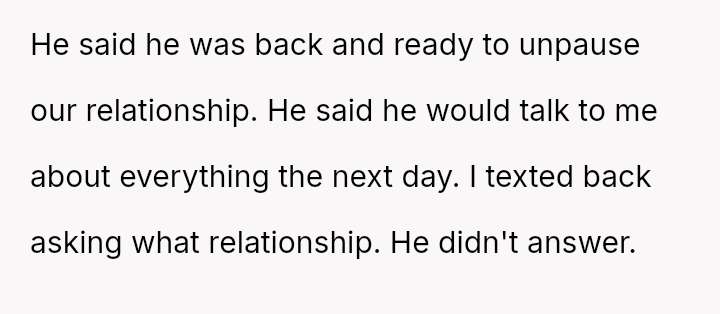
The core action causing the issue was the boyfriend's request to "pause" the relationship, which OP did not fully understand or accept as a definitive end.
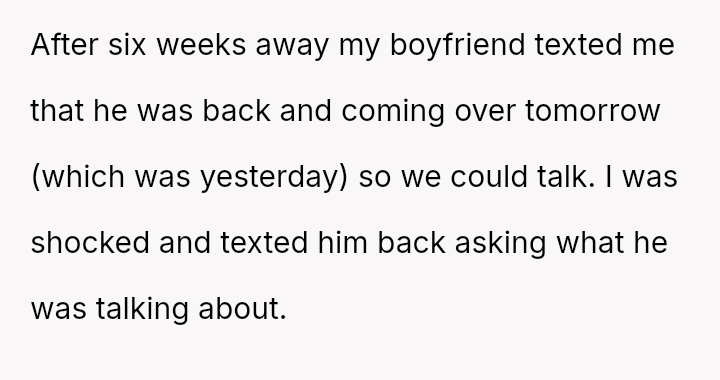
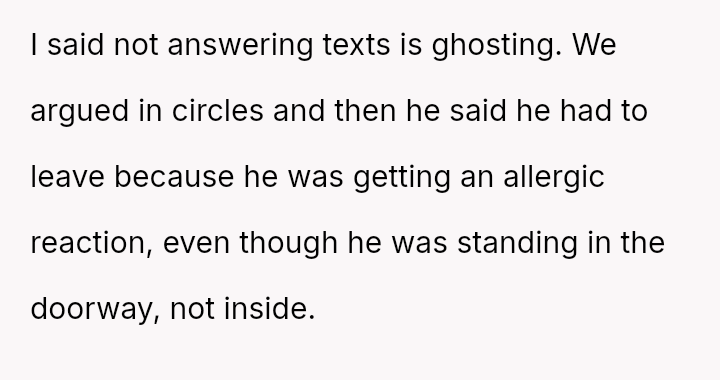
When the boyfriend left without responding to subsequent texts and calls, OP believed she had been ghosted and proceeded to adopt a senior rescue dog, knowing the dog would trigger severe allergies in her boyfriend.
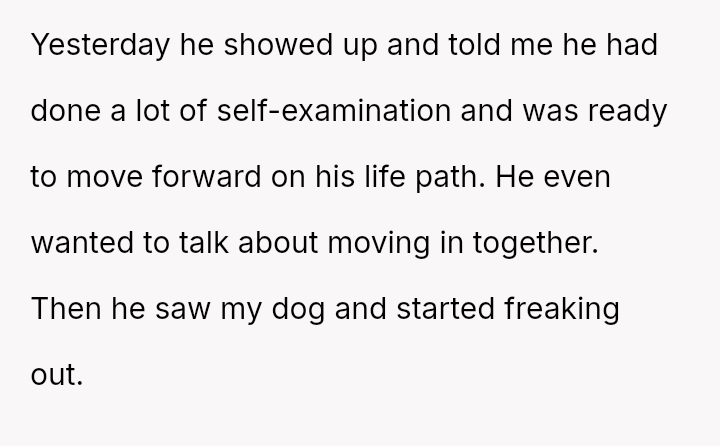
The immediate aftermath saw OP feeling abandoned and later shocked when the boyfriend returned six weeks later, announcing he was ready to "unpause" the relationship, only to become enraged upon discovering the dog.
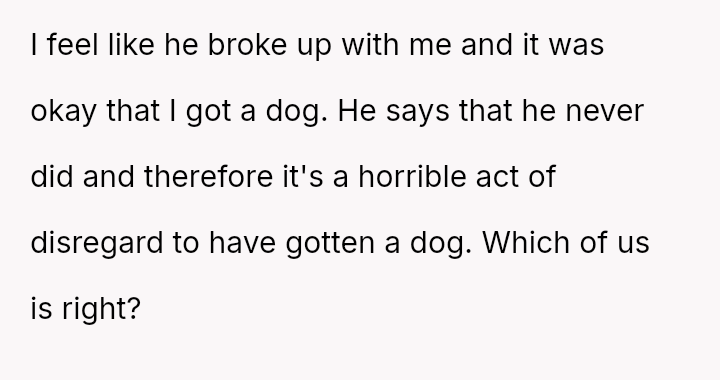
OP now faces a dilemma regarding who was right about the status of the relationship and the subsequent decision to get the dog.






Subscribe to our Newsletter
Get the latest stories delivered to your inbox.
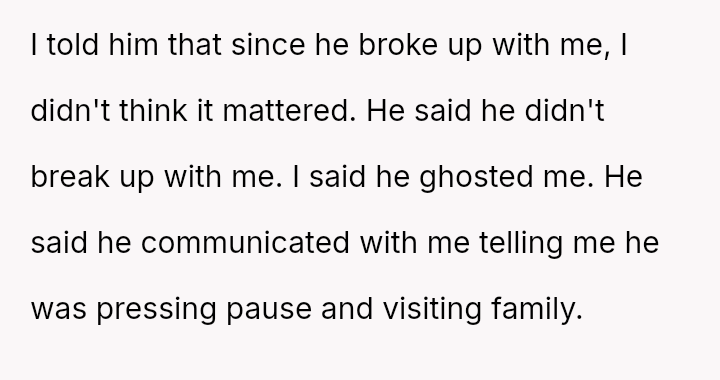
The central conflict rests on the difference between the boyfriend's definition of a 'pause' and OP's interpretation of being ghosted during that time.
OP acted based on the belief that the relationship was over, leading to the adoption of the dog, while the boyfriend maintains that his request for space was a temporary measure, making OP's action a severe v***ation of his needs.
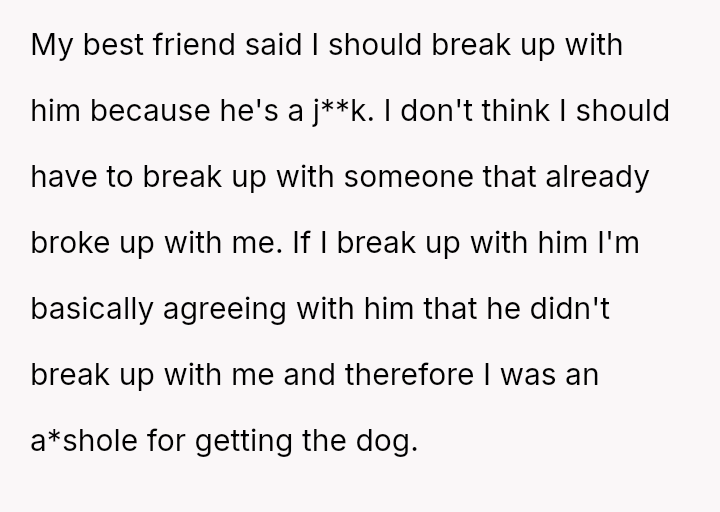
The reader must now consider whether the boyfriend's vague communication amounted to a breakup, thereby justifying OP's independent actions, or if OP overreacted to a temporary need for space, making her decision to get a dog a significant overstep.
Should OP feel justified in her actions, or is she responsible for unilaterally altering the living situation based on her perception of abandonment?
Strong Takes and Sharper Words from the Crowd:
Users didn’t stay quiet — they showed up in full force, mixing support with sharp criticism. From calling out bad behavior to offering real talk, the comments lit up fast.